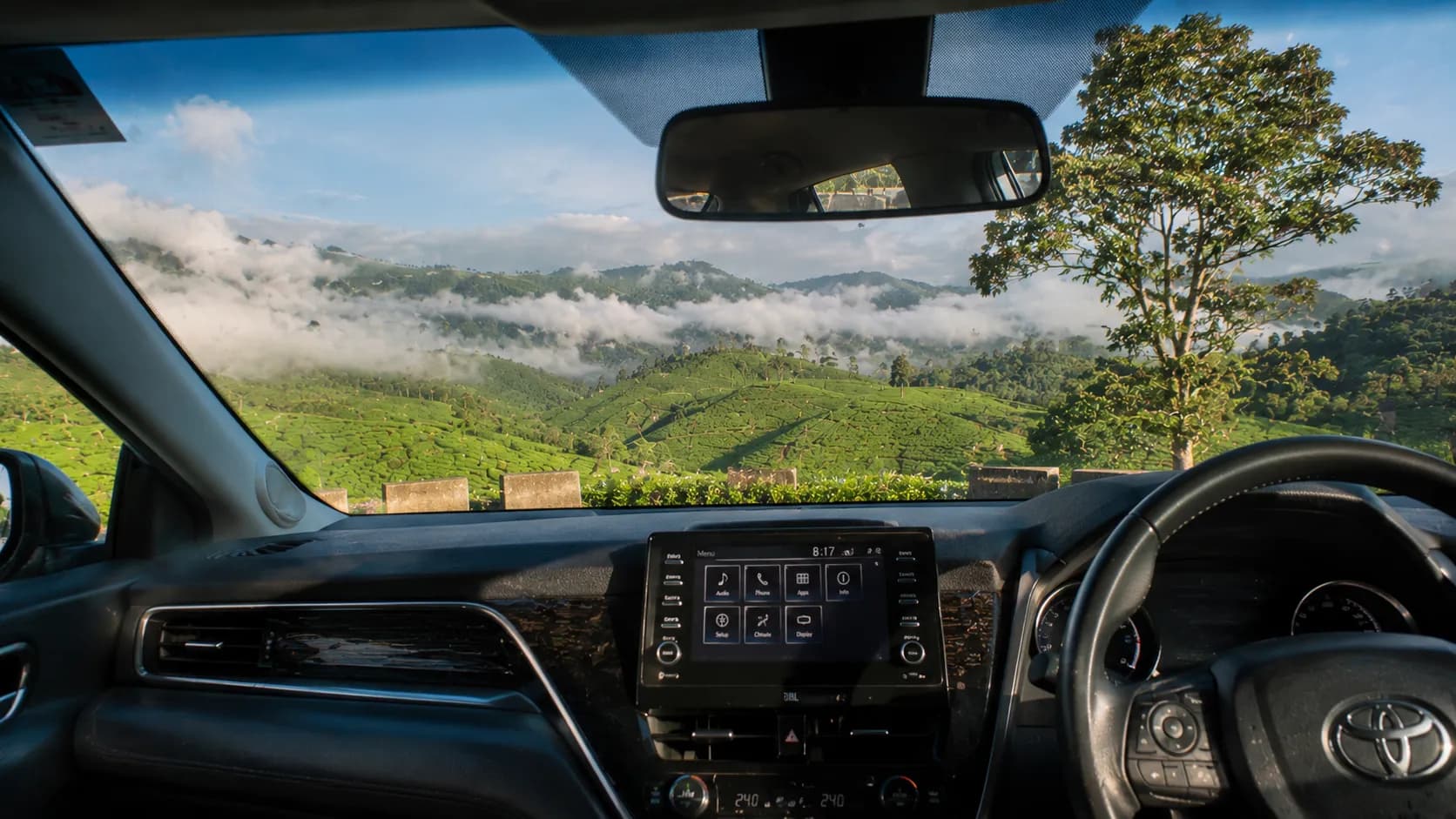
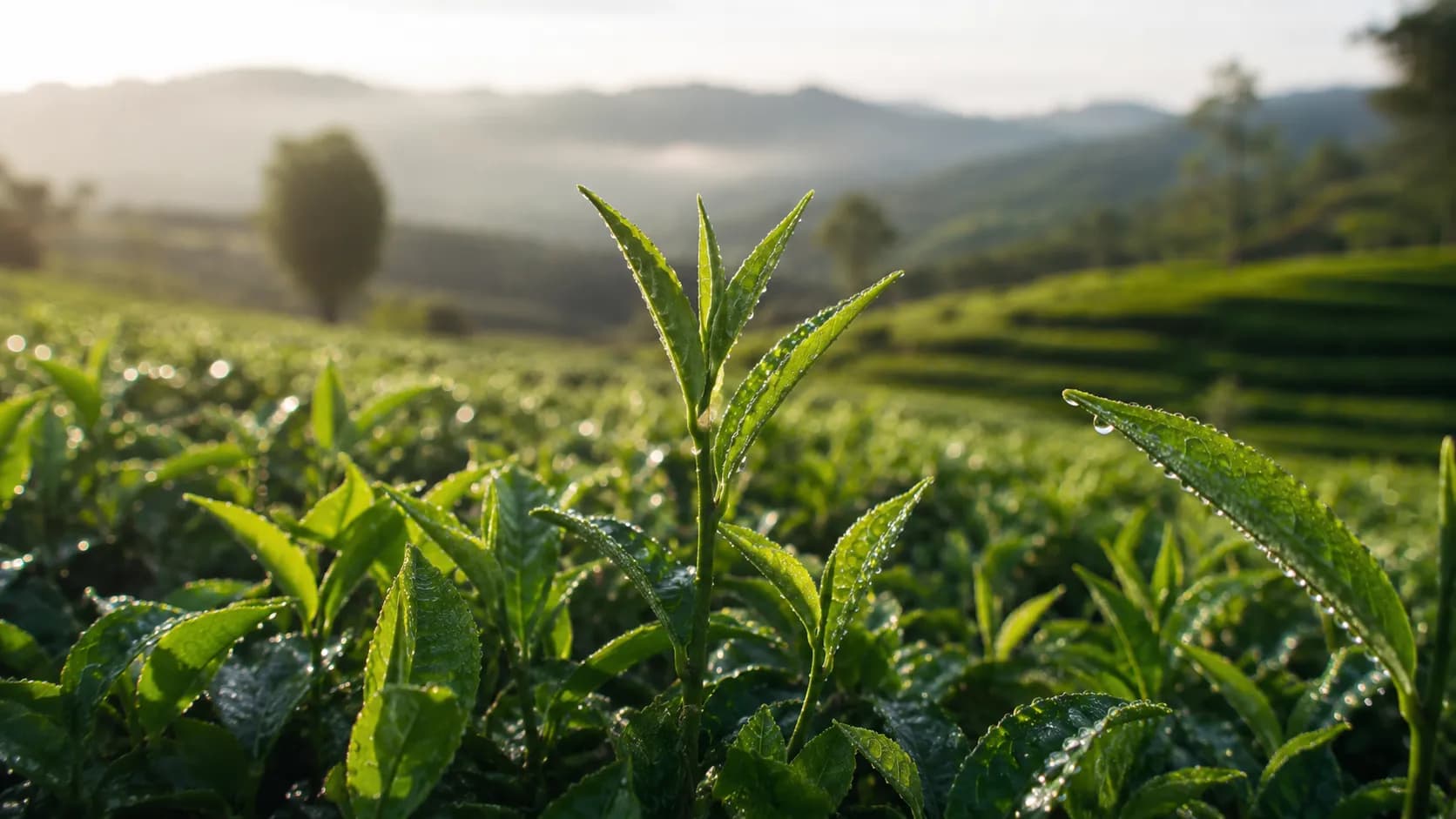
Kerala, the land of backwaters and swaying palms, holds a secret jewel nestled amidst its Western Ghats – Munnar. This idyllic hill station is synonymous with one breathtaking sight: an endless tapestry of vibrant green tea plantations, stretching as far as the eye can see. While the sheer scale of these emerald landscapes might seem overwhelming, inviting you to wander freely, it’s important to remember that these are active, working estates, each with its own history and charm.
The endless green slopes of Munnar are divided into dozens of independent historic estates. While many are strictly private corporate factories, several iconic plantations warmly welcome tourists for immersive agricultural experiences. These special places offer more than just a pretty view; they provide a fascinating glimpse into the intricate world of tea cultivation, from the delicate plucking of leaves to the aromatic brewing of your morning cuppa.
Discovering Munnar's Iconic Tea Estates
Munnar's tea country is a mosaic of history, hard work, and natural beauty. Exploring these plantations isn't just a scenic drive; it's an opportunity to connect with the heart and soul of this enchanting region.
Lockhart Estate: A Glimpse into Tea History
Nestled amidst the mist-kissed hills, Lockhart Estate, established in 1879, stands as a testament to Munnar's rich tea heritage. This venerable plantation offers incredible guided walking tours through their historic fields, where the very air is infused with the subtle fragrance of fresh tea leaves. As you stroll along the winding pathways, knowledgeable guides share captivating stories of the estate's origins, the challenges faced by early planters, and the meticulous process of tea cultivation that has been perfected over generations. You'll learn about different tea varietals, the ideal conditions for growth, and the delicate art of plucking. The estate also boasts a charming tea factory where you can witness the various stages of tea production firsthand, from withering and rolling to fermentation and drying. It's a sensory journey that culminates in a tasting session, allowing you to savor the distinct flavors of Lockhart's finest brews.
Sevenmallay Plantation: Up Close with Daily Life
For those seeking an intimate understanding of the daily rhythms of a tea plantation, Sevenmallay, situated right near the town center, offers an unparalleled experience. This accessible estate allows visitors to observe the daily harvesting routines up close and interact with local workers. Witnessing the skilled pluckers, often women, deftly selecting the 'two leaves and a bud' with speed and precision, is a truly humbling experience. You'll gain a profound appreciation for the labor and dedication that goes into every cup of tea. The proximity to town makes Sevenmallay an ideal stop for a spontaneous visit, offering a window into the vibrant community that thrives around these verdant hills.
Kolukkumalai Tea Estate: The Highest & Most Scenic
While slightly more challenging to reach, the Kolukkumalai Tea Estate deserves a special mention. Perched at an astonishing altitude of 7,900 feet above sea level, it holds the distinction of being the highest organic tea plantation in the world. The journey itself is an adventure, often requiring a jeep ride over rugged terrain, but the panoramic views from the top are simply breathtaking. Kolukkumalai is renowned for its traditional orthodox tea factory, which still uses age-old methods to process tea, producing some of the most flavorful and aromatic brews. A visit here offers not just stunning vistas but also a deep dive into the art of classic tea manufacturing.
Kannan Devan Hills Plantation (KDHP) Museum: A Historical Journey
While not a working plantation in the traditional sense, the KDHP Tea Museum is an absolute must-visit for anyone interested in Munnar's tea story. Located in the Nallathanni Estate, this unique museum chronicles the fascinating history of tea production in Munnar, from its colonial beginnings to modern-day practices. Explore vintage machinery, historical photographs, and artifacts that paint a vivid picture of the lives of tea planters and workers. The museum also offers live demonstrations of tea processing and a comprehensive explanation of the different types of tea. It's an excellent way to gain context and deepen your appreciation for the surrounding tea landscapes.
Understanding Plantation Etiquette: Respecting the Land and Its People
Exploring these emerald fields is a privilege, and it comes with a responsibility to respect the environment and the livelihoods of the local community.
Staying on Designated Paths
When exploring these fields, always stay on the established stone pathways. These paths are designed to guide visitors safely while protecting the delicate tea bushes. Venturing off-path can damage the plants, disrupt irrigation systems, and even pose a risk to your own safety on uneven terrain.
Protecting the Tea Bushes
Never step directly onto or pull at the tender top leaves of the tea bushes, as this directly harms the crop and impacts the livelihoods of the hard-working local pluckers. Each tea bush is a source of income for countless families, and even a small act of carelessness can have significant consequences. Observe, admire, and photograph, but always remember that these are living, breathing agricultural assets.
Interacting with Workers
If you encounter tea pluckers, a polite nod and a smile are always appreciated. If you wish to take photographs, always ask for permission first. A little respect goes a long way in fostering positive interactions and showing appreciation for their arduous work.
Planning Your Plantation Visit
To make the most of your tea plantation experience in Munnar, here are a few practical tips:
Best Time to Visit
The cooler months from September to March offer the most pleasant weather for exploring the plantations. The monsoon season (June to August) transforms the hills into a lush, vibrant green, but heavy rainfall can sometimes disrupt tours and make walking conditions challenging.
What to Wear
Comfortable walking shoes are essential, as you'll be doing a fair amount of walking on uneven terrain. Light, breathable clothing is advisable, and a light jacket or shawl is recommended for the cooler mornings and evenings. Don't forget a hat and sunscreen, even on cloudy days, as the sun can be surprisingly strong at this altitude.
Guided Tours vs. Self-Exploration
While some plantations allow for self-guided exploration within designated areas, opting for a guided tour is highly recommended. Local guides offer invaluable insights into the history, cultivation practices, and local culture that you wouldn't discover on your own.
Frequently Asked Questions
Can we buy fresh tea packets directly at the plantations?
Yes, nearly every plantation open to the public features an official factory outlet store selling authentic, unblended tea at excellent prices. This is an excellent opportunity to purchase high-quality tea directly from the source, often at a better price than in general shops, and to support the local economy. You'll find a variety of teas, from black and green to specialty blends, often packaged beautifully as souvenirs.
Are there accommodations available within the plantations?
While some larger estates might have heritage bungalows or guesthouses, most tea plantations do not offer direct accommodation. However, Munnar town and its surrounding areas boast a wide range of hotels, resorts, and homestays that cater to all budgets, many offering stunning views of the tea gardens.
Can children visit the tea plantations?
Absolutely! Tea plantations are a wonderful experience for children of all ages. The vast open spaces, the sight of tea pluckers, and the fascinating factory tours can be incredibly educational and engaging. Just ensure they stay on the paths and respect the environment.
What is the typical duration of a plantation tour?
The duration can vary depending on the plantation and the type of tour. A basic walking tour might last 1-2 hours, while a comprehensive factory tour combined with field exploration could extend to 3-4 hours. It's always best to check with the specific plantation beforehand.
Munnar's tea plantations are more than just a scenic backdrop; they are a living testament to history, hard work, and the enduring allure of nature. A visit here is an immersive journey that tantalizes the senses and leaves you with a deeper appreciation for the simple, yet profound, pleasure of a cup of tea. So, pack your bags, lace up your walking shoes, and prepare to be enchanted by the emerald magic of Munnar.