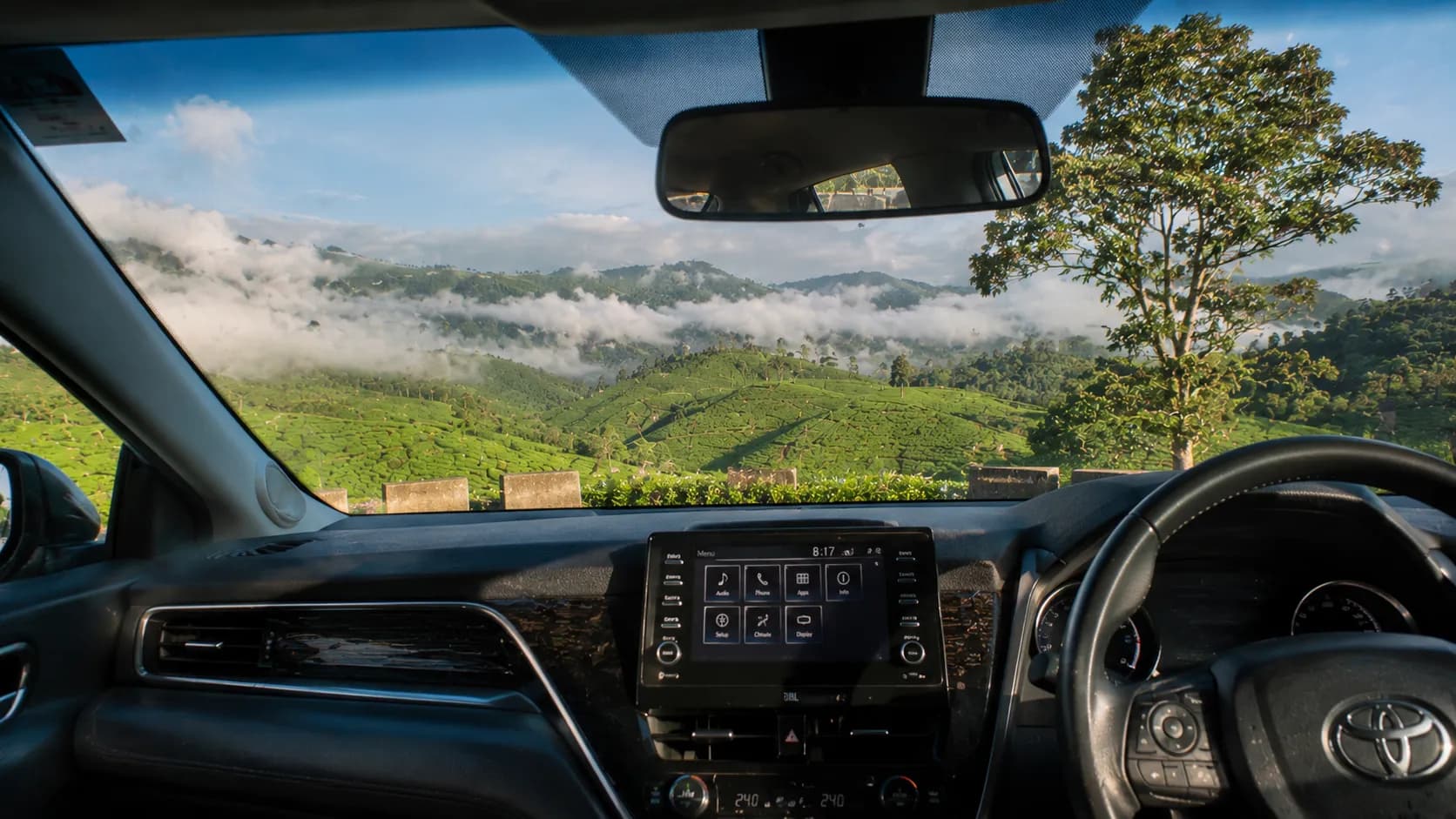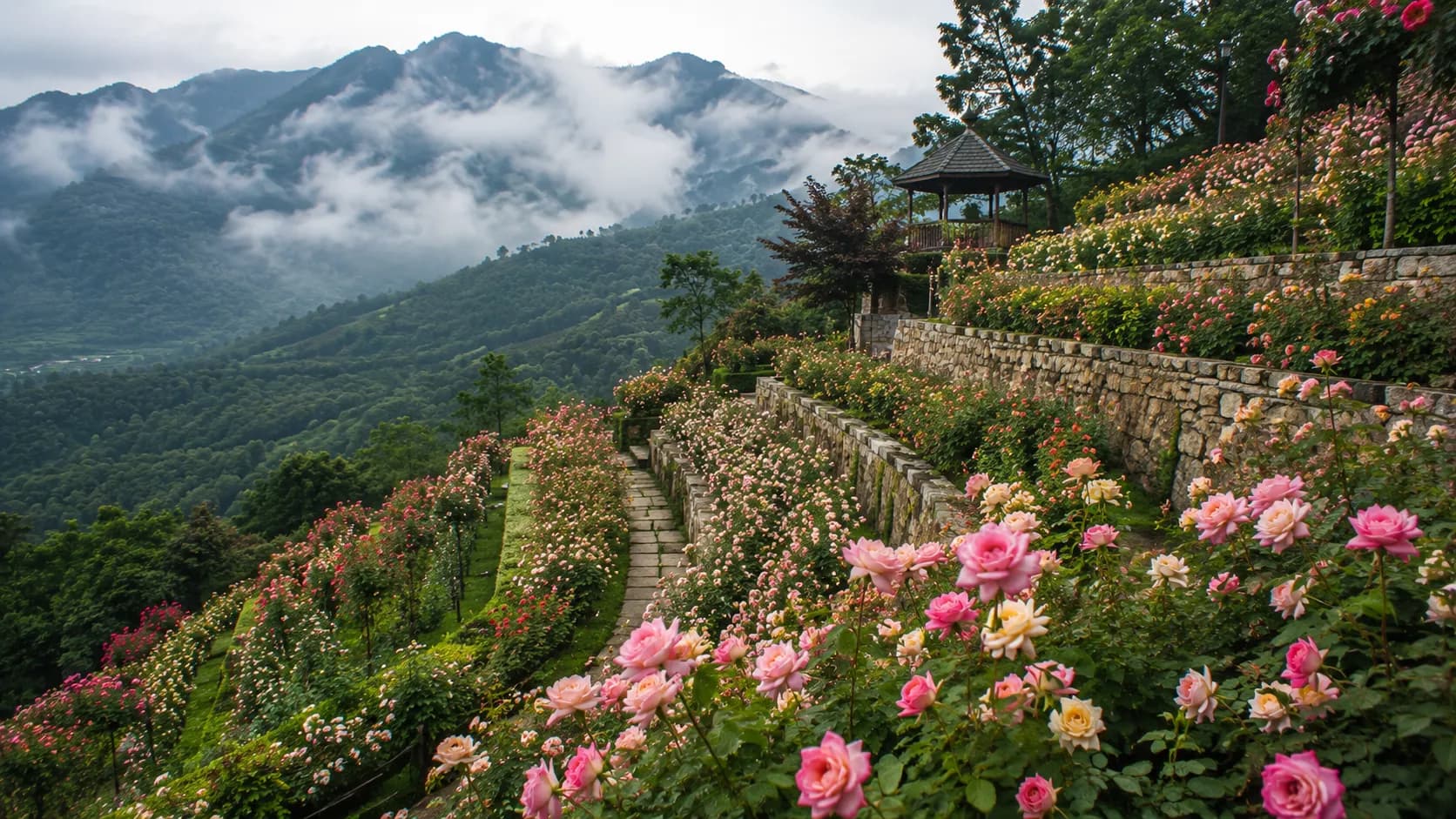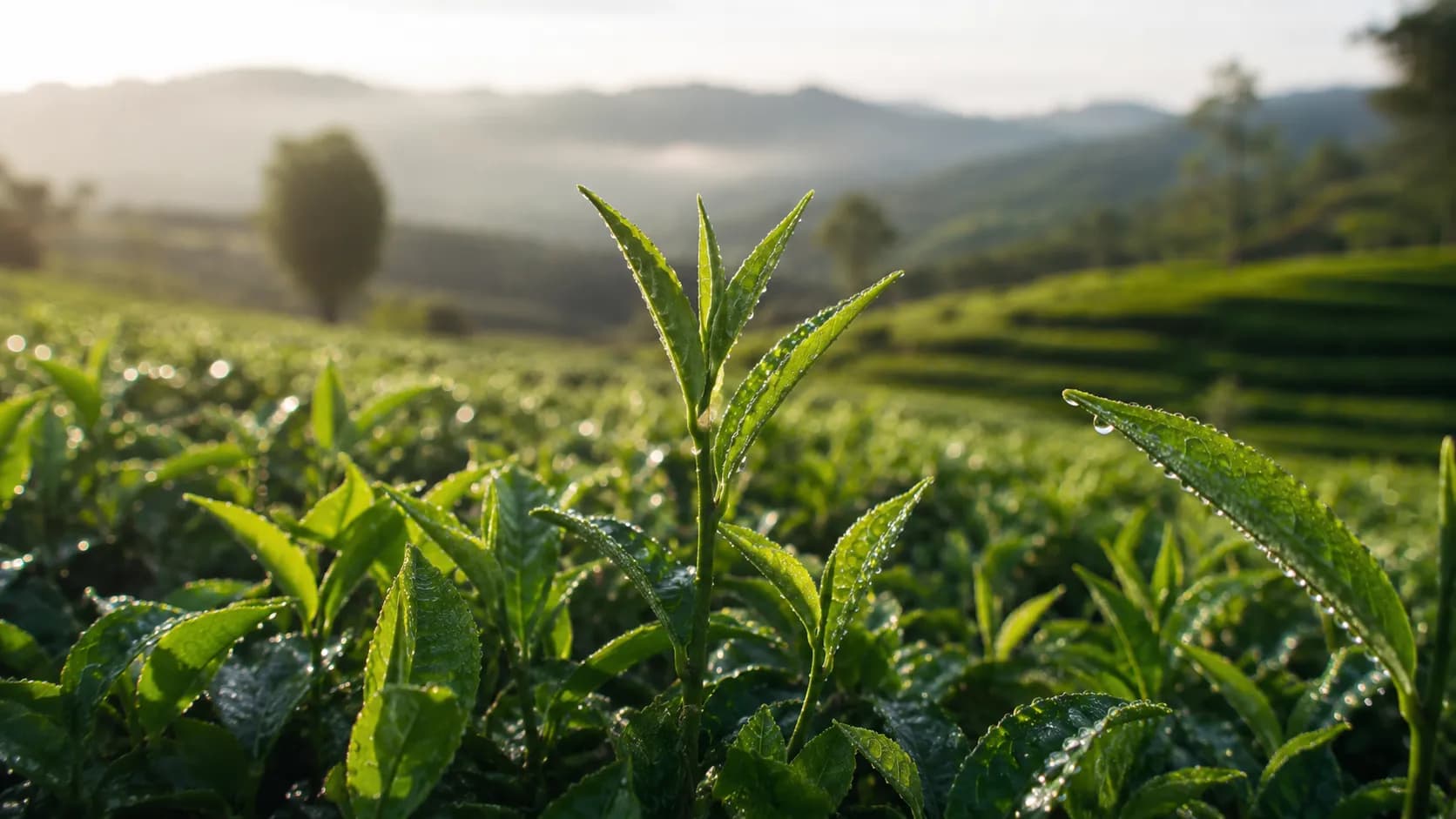
Munnar, the emerald jewel nestled in the Western Ghats of Kerala, is renowned for its breathtaking tea plantations, mist-shrouded peaks, and cascading waterfalls. However, beyond its picturesque landscapes, lies a vibrant, untamed world teeming with incredible biodiversity. The thick high-altitude forests wrapping around Munnar serve as crucial wildlife migratory corridors in South India, offering a lifeline to countless species. For animal lovers, avid bird watchers, and nature enthusiasts, the surrounding sanctuaries provide an authentic, awe-inspiring glimpse into the wild heart of the Western Ghats. Prepare to be captivated by the raw beauty and exhilarating encounters awaiting you just a stone's throw from Munnar's bustling charm.
Discovering the Untamed: Premier Wildlife Havens Near Munnar
The region surrounding Munnar is a treasure trove of protected areas, each offering a unique window into the rich tapestry of Kerala's wildlife. From rare species to iconic megafauna, these sanctuaries are dedicated to preserving the delicate ecological balance of this globally recognized biodiversity hotspot.
Chinnar Wildlife Sanctuary: A Dry Forest Oasis
Nestled in the rain shadow region of the Western Ghats, the Chinnar Wildlife Sanctuary stands apart with its unique dry thorny deciduous forest ecosystem. This distinctive habitat supports a fascinating array of flora and fauna, making it a must-visit for those seeking something different from the typical lush green landscapes of Kerala.
The Elusive Grizzled Giant Squirrel
Chinnar is perhaps most famous as one of the last remaining habitats for the highly rare and endangered Grizzled Giant Squirrel (*Ratufa macroura*). Spotting this magnificent creature, with its silver-grey fur and bushy tail, is a truly special experience. Keep your eyes peeled high in the canopy, especially along riverine areas.
Diverse Ecosystems and Species
Beyond the iconic squirrel, Chinnar is home to a remarkable variety of wildlife. You might encounter herds of Indian gaur (bison), spotted deer, sambar, and even the occasional leopard or elephant. The sanctuary is also a haven for reptiles, including a significant population of star tortoises, and boasts an impressive birdlife, making it a birder's paradise. The diverse terrain, ranging from thorny scrub to riparian forests, supports this rich biodiversity.
Pampadum Shola National Park: Kerala's Smallest Gem
Often overlooked due to its diminutive size, Pampadum Shola National Park is Kerala's smallest national park but punches well above its weight in terms of ecological significance. This high-altitude shola forest ecosystem is characterized by stunted evergreen trees and rolling grasslands, creating a unique microclimate that supports a distinct set of species.
Guided Treks into the Shola
Pampadum Shola offers enthusiasts the chance to embark on guided forest trekking loops. These treks, led by experienced forest guides, provide an intimate encounter with the shola's delicate beauty. The cool, misty environment is perfect for spotting unique butterflies, endemic birds, and the occasional sighting of wild gaurs. The dense undergrowth and moss-laden trees create an almost mystical atmosphere, making every step an adventure.
Endemic Flora and Fauna
The park is crucial for the conservation of shola-grassland ecosystems, which are vital for water regulation in the region. It's home to several endemic species of plants and animals, some found nowhere else on Earth. The tranquil environment and the chance to witness nature in its purest form make a visit to Pampadum Shola an unforgettable experience.
The Anayirangal Elephant Corridor: A Majestic Encounter
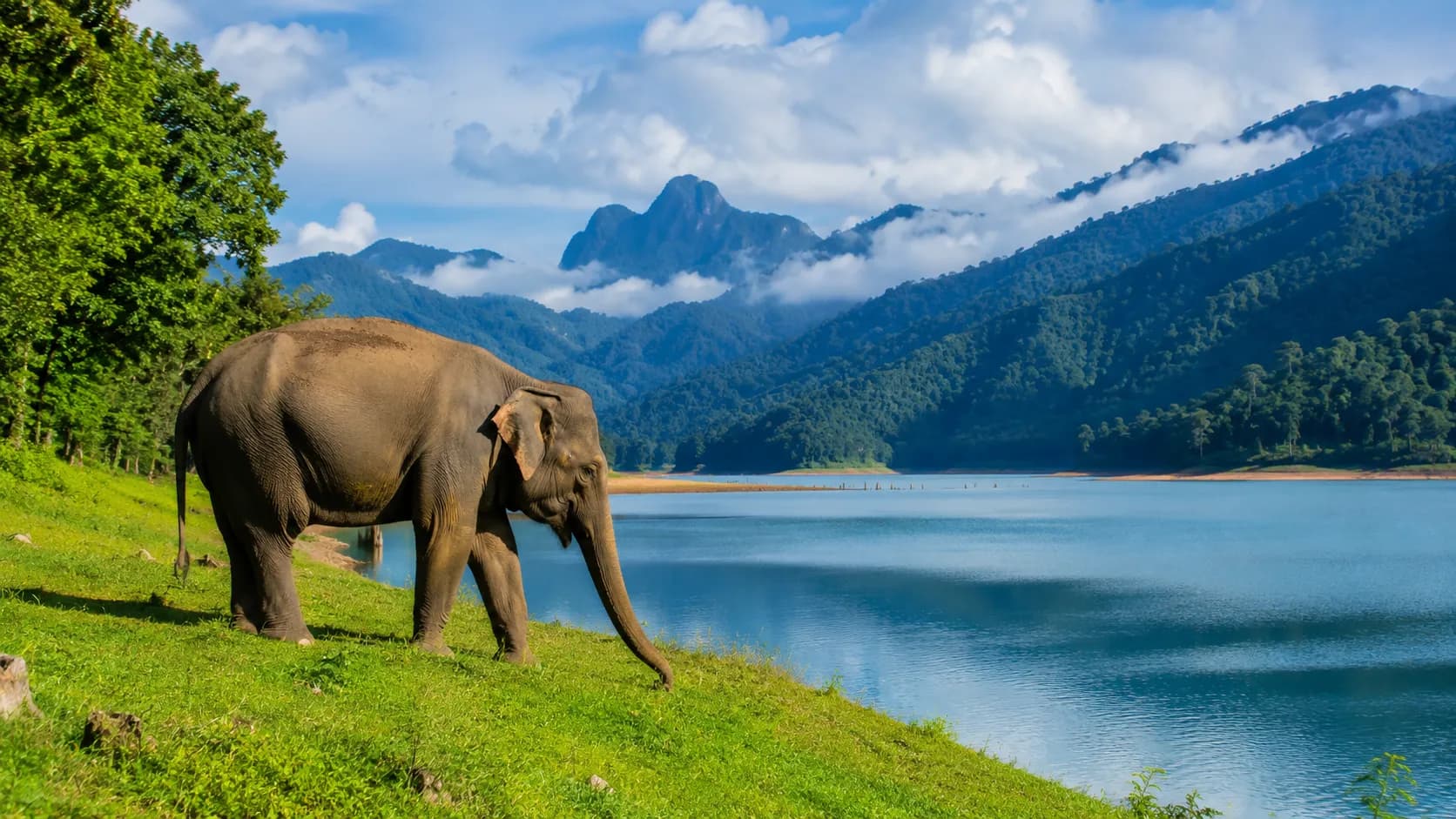
Just a short drive from Munnar lies the serene and breathtaking Anayirangal Dam and Lake. More than just a scenic spot, Anayirangal Lake is a globally recognized drinking reservoir and a vital part of a significant elephant migratory corridor. This area offers one of the most reliable and respectful opportunities to witness wild Asian elephants in their natural habitat.
Witnessing Gentle Giants
The name "Anayirangal" literally translates to "place where elephants descend," and it lives up to its name. Herds of majestic wild Asian elephants frequently descend to the lake's shores to quench their thirst and graze on the lush green banks.
The Responsible Safari Experience
Hiring a local jeep or engaging with authorized tour operators allows visitors to safely observe these magnificent gentle giants from a respectful distance. It's crucial to maintain silence, follow your guide's instructions, and never disturb the animals. Witnessing a herd of elephants, from tiny calves to towering matriarchs, moving gracefully through their natural environment is an incredibly humbling and powerful experience. The sight of them playfully splashing in the water or calmly grazing against the backdrop of the verdant hills is a highlight of any trip to Munnar.
Beyond Elephants
While elephants are the star attraction, the Anayirangal region is also home to other wildlife like sambar deer, wild boar, and various bird species, adding to the richness of the safari experience. The tranquil waters and surrounding forests create a perfect habitat for diverse wildlife.
Planning Your Wildlife Adventure
To make the most of your wildlife excursions around Munnar, a little planning goes a long way. Understanding the logistics, weather, and necessary precautions will ensure a smooth and rewarding experience.
Best Time to Visit
The post-monsoon months from September to March are generally considered the best time for wildlife viewing around Munnar. The weather is pleasant, the forests are lush, and animals are more active. During the monsoon (June to August), heavy rains can make forest trails slippery and sightings less frequent, though the landscape is incredibly vibrant. The summer months (April to May) can be hot and dry, but animals often congregate around water sources, increasing sighting chances.
What to Pack
Essential Gear for Wildlife Safaris
Comfortable Walking Shoes: Essential for any trekking or walking portions.
Lightweight, Earth-Toned Clothing: Helps you blend into the environment and is suitable for warm weather.
Hat and Sunglasses: Protection from the sun.
Insect Repellent: A must-have, especially in forested areas.
Binoculars: Crucial for spotting wildlife from a distance.
Camera with a Good Zoom Lens: To capture those incredible moments without disturbing the animals.
Water Bottle: Stay hydrated, especially during treks.
Snacks: Energy for your adventures.
Rain Gear (during monsoon): A lightweight rain jacket or umbrella.
Respecting the Wild
Principles of Responsible Wildlife Tourism
Maintain Distance: Always keep a safe and respectful distance from animals.
Silence is Golden: Avoid loud noises that can disturb wildlife.
No Feeding: Never feed wild animals; it changes their natural behavior and can harm them.
Stay on Designated Paths: Protect the fragile ecosystem by not venturing off trails.
Leave No Trace: Carry out everything you carry in, leaving the environment pristine.
Listen to Your Guides: Forest guides are experts; their instructions are for your safety and the animals' well-being.
Frequently Asked Questions
Do we need an advance booking for Chinnar safaris?
For basic trekking permits within Chinnar Wildlife Sanctuary, you can typically purchase them directly at the Chinnar forest check-post counter upon arrival. These permits usually cover day treks led by local guides. However, if you are interested in more immersive experiences such as night treehouse stays or specific eco-tourism packages, these often require advance online booking through the Kerala Forest and Wildlife Department's official website or authorized eco-tourism centers. It's always advisable to check the latest regulations and booking procedures closer to your travel date, especially during peak season, to avoid disappointment.
Conclusion
Munnar's allure extends far beyond its manicured tea gardens. The surrounding wilderness, with its protected sanctuaries and vital corridors, offers an unparalleled opportunity to connect with the untamed spirit of the Western Ghats. From the elusive Grizzled Giant Squirrel of Chinnar to the majestic Asian elephants of Anayirangal, and the unique shola forests of Pampadum, the wildlife attractions around Munnar promise enriching, memorable, and truly wild experiences. So, pack your bags, prepare your binoculars, and embark on an unforgettable journey into the heart of Kerala's incredible natural heritage.